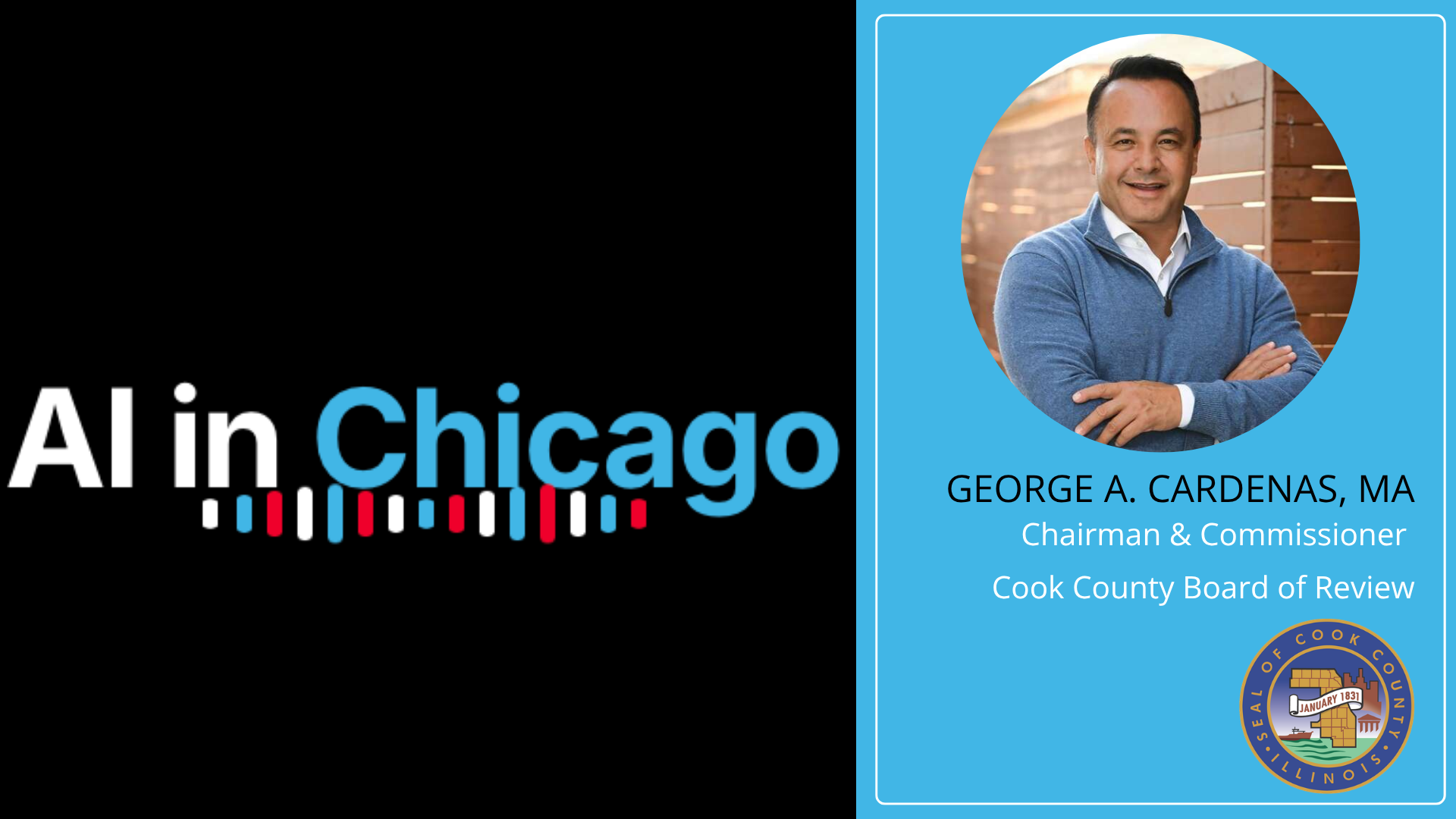
Who owns AI in City Hall?
George Cardenas on the first 100 days, human judgment, and the decisions Chicago cannot delegate.
Listen & exploreTopic
How boards, executives, and counsel put responsible AI into practice — governance frameworks, board AI oversight, D&O liability, risk management, and the controls that let organizations scale AI safely. Conversations and analysis from the leaders building the guardrails.
AI governance and risk is the discipline of deploying artificial intelligence so that an organization can move quickly and stay accountable — covering how AI systems are reviewed before launch, how risk is tiered, who oversees outputs, and how responsibility is assigned when something goes wrong. It is the operating tension at the center of this show: velocity versus accountability.
Most coverage of this topic is either abstract principle ("be responsible") or dense legal reference. This hub is neither. It collects what senior operators — chief privacy officers, state CIOs, general counsel, finance and enterprise leaders — actually do to govern AI, in their own words, from the AI in Chicago interview archive. If you're responsible for getting AI into production without getting your organization into trouble, start here.
Two evergreen guides distill the operator consensus across dozens of conversations:
Treat governance as a GPS, not a roadblock. Bring legal, security, and privacy in at project inception, tier scrutiny to real impact, and let low-risk work move fast. See the governance playbook, anchored in NielsenIQ CPO Elena Vekilov's framework.
Identity and access, data governance, and cybersecurity — the unglamorous infrastructure that the exciting use case sits on top of. Illinois State CIO Brandon Ragle makes the case from the scale of 13 million residents.
Outcomes, not engagement. Reed Smith's Richard Robbins frames the real maturity test as whether you can govern a tool responsibly at scale — not whether you can launch it.
Not IT alone. It's a cross-functional business responsibility spanning legal, privacy, security, data, and the business line — a point Gianne James makes pointedly from financial services.
The inputs are. Northwestern's Nick Diakopoulos measured 42,853 news articles across 27 countries and found that which AI harms get covered varies with the political lean of the outlet — and that existential risk, the premise of every frontier-AI statute, accounts for just 7.2% of coverage. If your risk register inherits its priorities from public discourse, it inherits that sorting too.
The principles are shared, but the stakes and specifics shift by industry. These conversations show governance under real constraints:
Governance doesn't happen in a vacuum — it happens under a fast-moving regulatory regime, and Illinois is one of the most active states in the country. For the policy and regulation side of this story — the notice regime, mental-health AI rules, and public-sector AI strategy — see the Illinois AI Policy hub and conversations with the people who wrote and enforce the rules, including Rep. Bob Morgan and policy advisor Jason Rosensweig.
AI governance is the set of practices — intake, risk-tiering, data controls, human oversight, contracts, and auditing — that determine which AI systems an organization deploys, how they're reviewed, and who is accountable for outcomes. Its purpose is to enable adoption safely rather than to prevent it.
Governance is the broader operating system (roles, policies, review processes, accountability); risk management is the part focused specifically on identifying, tiering, and mitigating potential harms. In practice, risk tiering is a core mechanism inside a governance program.
No. Operators consistently describe it as a cross-functional business responsibility shared across legal, privacy, security, data, and the business line, with a clear convening owner.
George Cardenas on the first 100 days, human judgment, and the decisions Chicago cannot delegate.
Listen & explore
How news coverage shapes the risks we see—and the policies we choose.
Listen & explore
What Illinois’ approach to automated hiring means for employers, vendors, and workers.
Listen & explore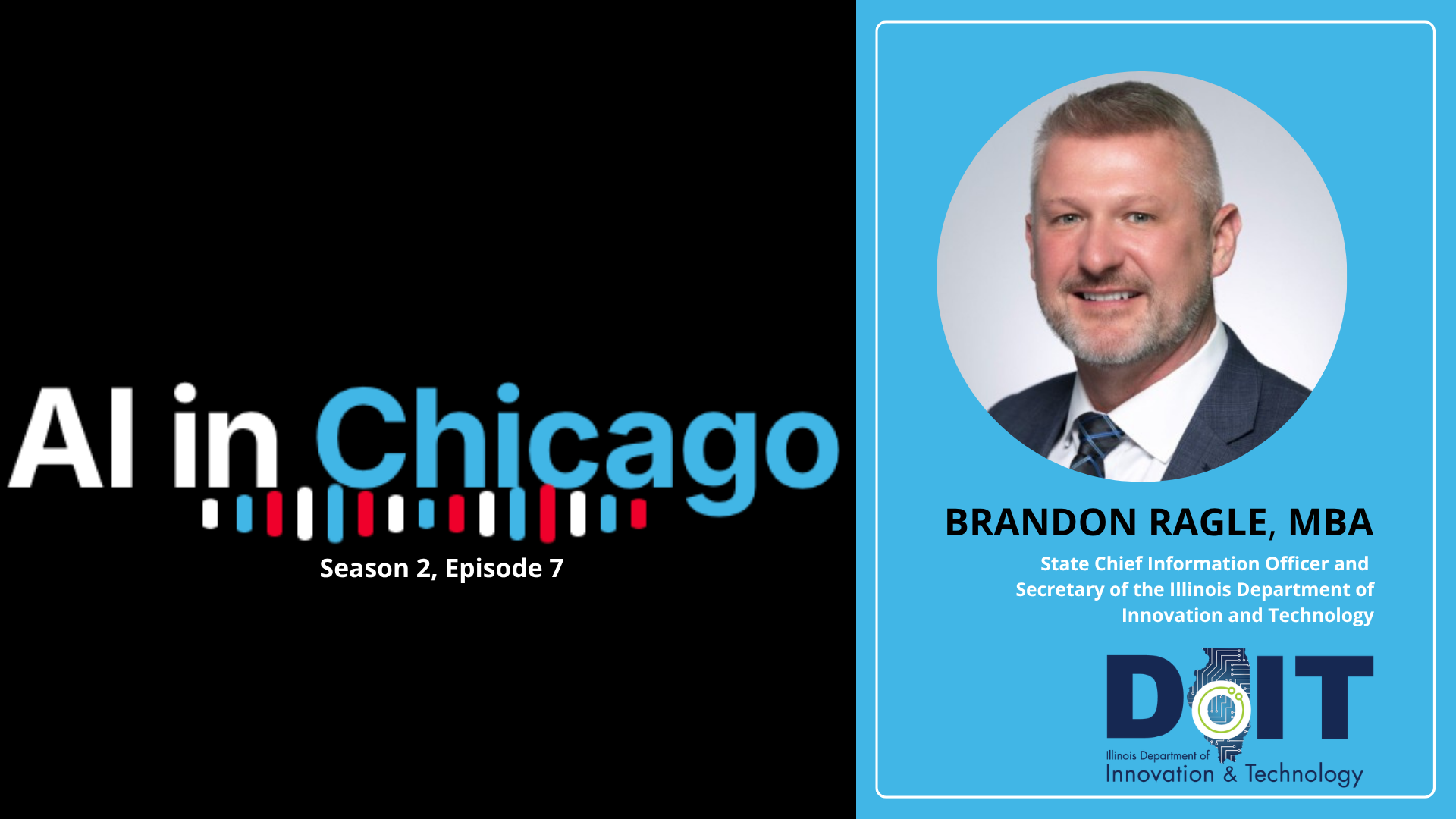
Illinois’ technology leader on the people, security, and foundations behind responsible adoption.
Listen & explore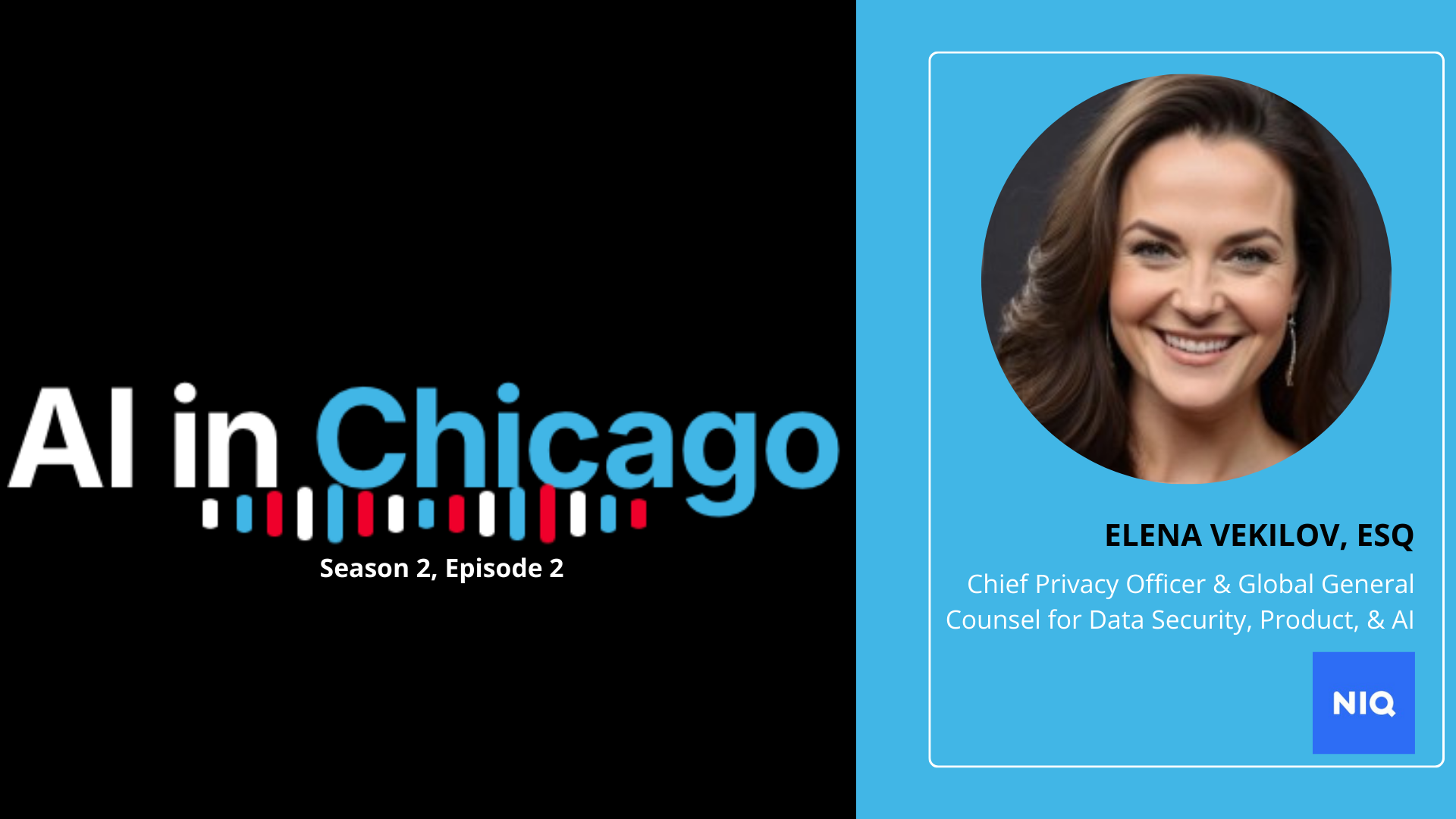
Elena Vekilov on the trust, data, and governance that make enterprise AI possible.
Listen & explore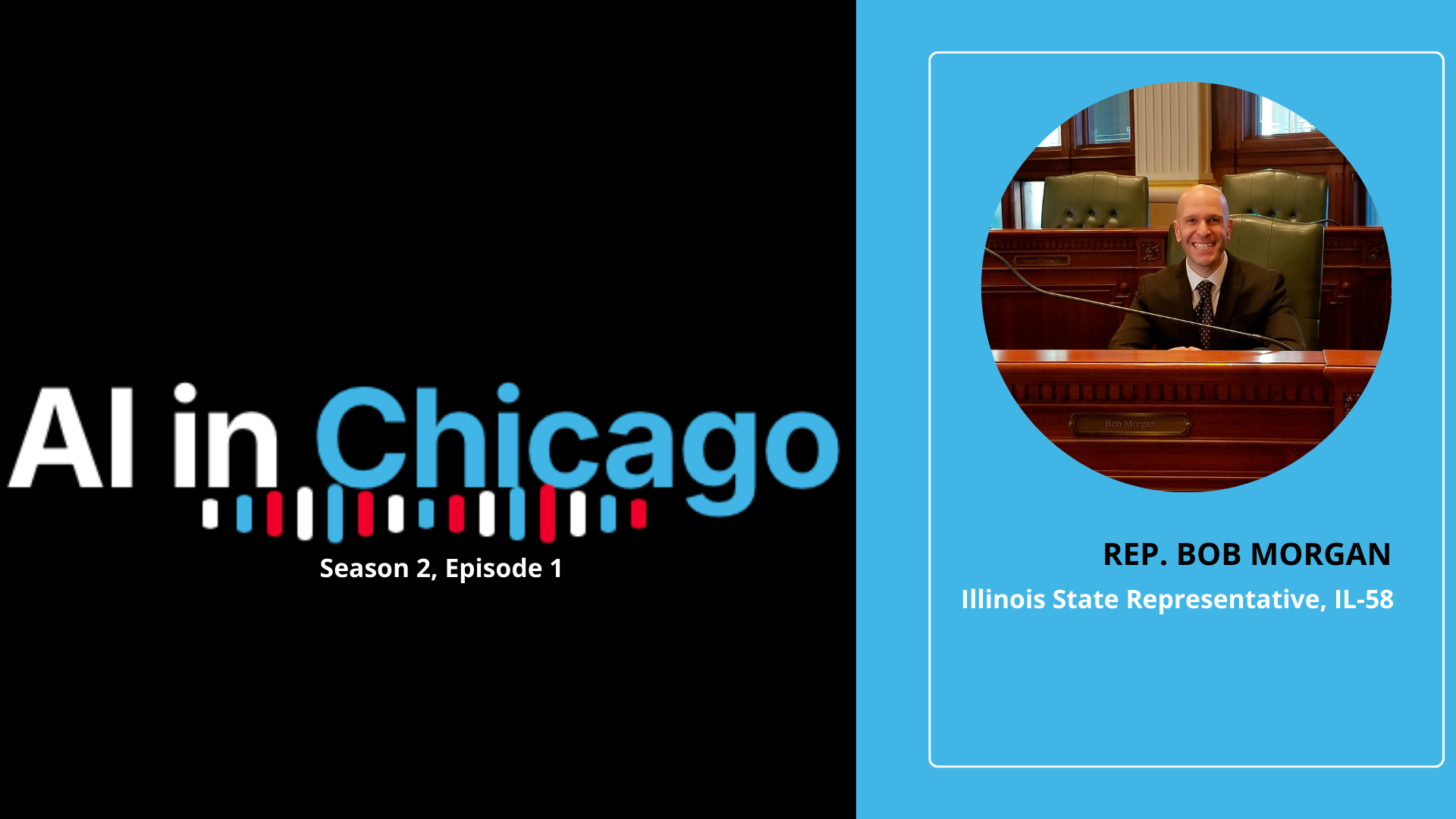
Rep. Bob Morgan on the legislative choices behind a new approach to AI and mental health.
Listen & explore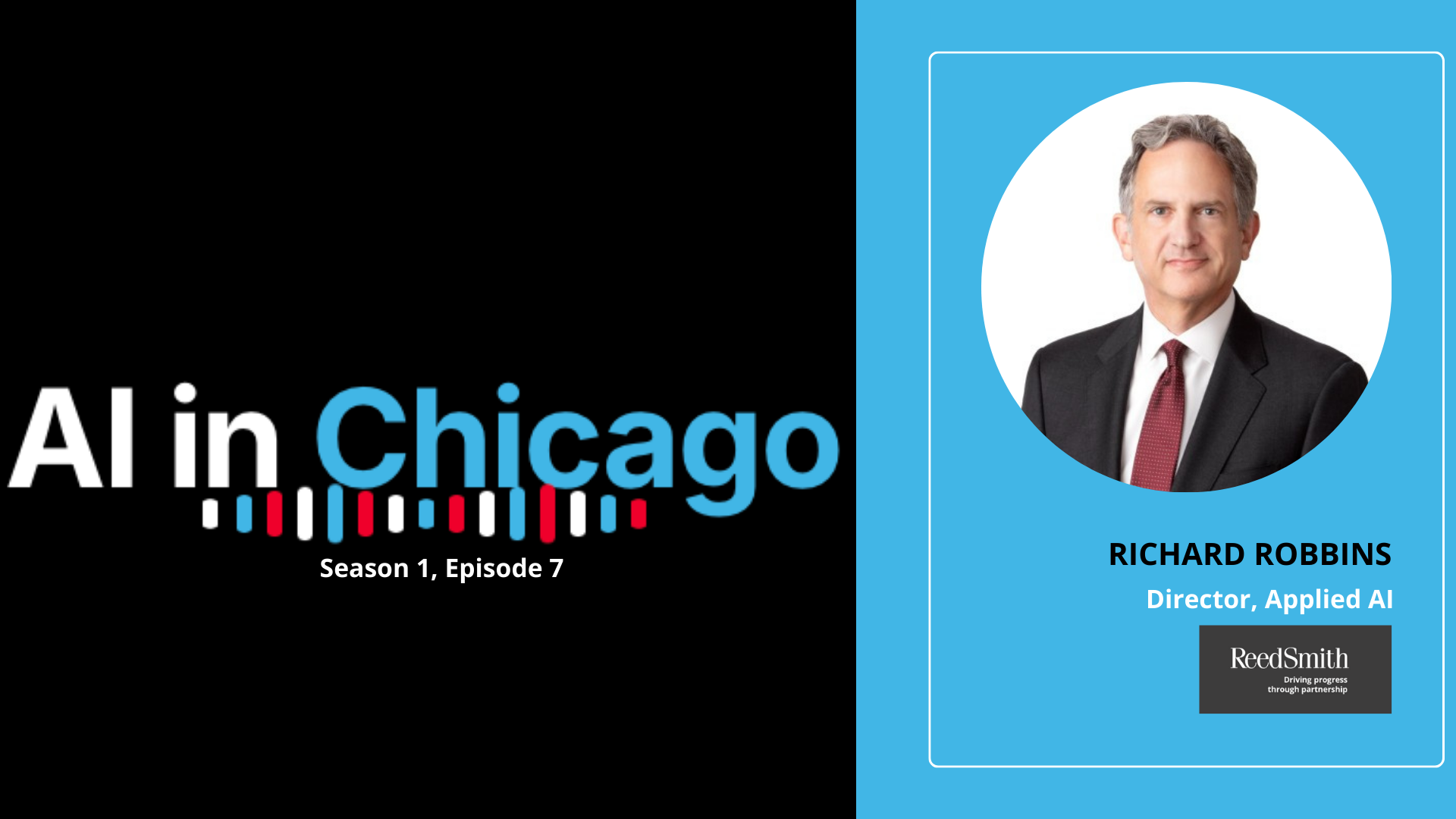
Richard Robbins on firm strategy, governance, and responsible adoption at scale.
Listen & explore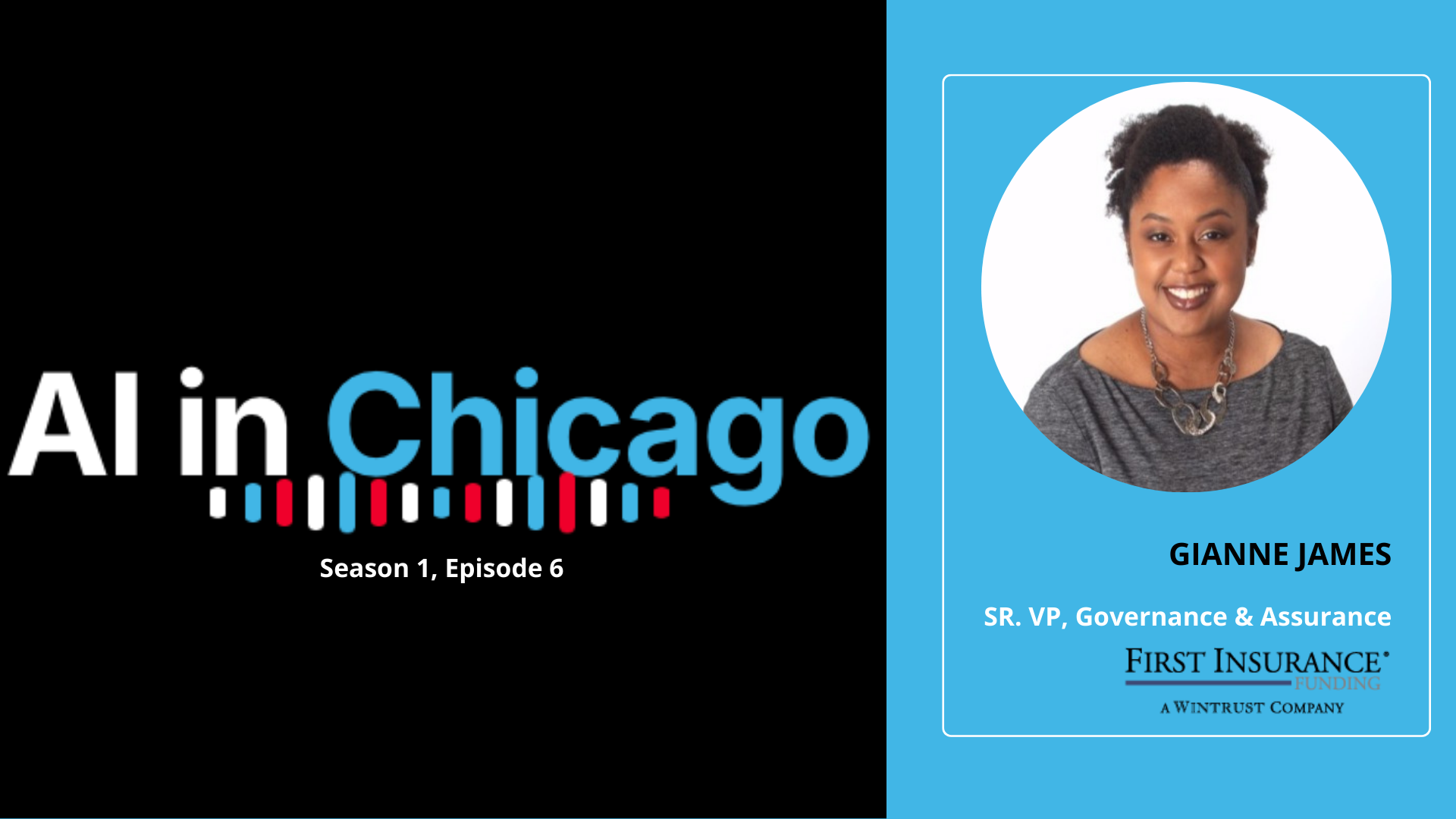
Gianne James on risk, governance, and preparing people for a changing industry.
Listen & exploreChicago's own AI roadmap has recommended naming an AI lead since 2024. George Cardenas becomes the first candidate in the 2027 race to answer that gap with an org chart and a hundred-day deadline.
Read the story ↗Across 27 countries, the share of coverage each category of AI harm receives varies with the political lean of the outlet reporting it. Northwestern's Nick Diakopoulos on what that means for anyone who treats public discourse as a risk signal, and on the participatory method his lab built as a second input.
Read the story ↗How real operators — a Fortune 500 chief privacy officer, a state CIO, a law-firm AI director — govern AI risk without becoming the 'Department of No.' A practitioner's playbook.
Read the story ↗Most enterprise AI pilots never reach production. The operators who cracked it — at AbbVie, Oracle, and a mission-driven health nonprofit — explain what they did differently.
Read the story ↗Illinois put AI hiring inside its civil rights act instead of passing a standalone AI statute. Jason Rosensweig, Senior Policy Advisor at IDHR, breaks down the architecture of HB 3773 — the notice requirement, disparate impact, and the 'influence or facilitate' reach — and what employers and AI vendors must do now.
Read the story ↗Brandon Ragle, Illinois State CIO and Secretary of the Department of Innovation & Technology, leads 1,800+ technologists serving 13 million residents. His lesson for anyone adopting AI: the organizations getting it right aren't the fastest, they're the ones with the strongest foundations.
Read the story ↗Elena Vekilov, Chief Privacy Officer and Global General Counsel at NielsenIQ, reveals why enterprise AI adoption stalls—not from fear of technology, but from unclear expectations. She shares how governance enables velocity and why privacy is innovation infrastructure.
Read the story ↗A conversation with State Representative Bob Morgan, Assistant Majority Leader and Floor Whip, on Illinois's first-in-the-nation AI mental health law.
Read the story ↗A Conversation With Richard Robbins, Applied AI @ Reed Smith. Richard Robbins, Director of Applied AI at Reed Smith, shares insights on effective and responsible AI adoption at scale, aligned to firm strategy in the legal profession.
Read the story ↗Gianne James, Senior Vice President at First Insurance Funding, discusses AI governance, risk management, and the essential human element in financial services AI adoption.
Read the story ↗